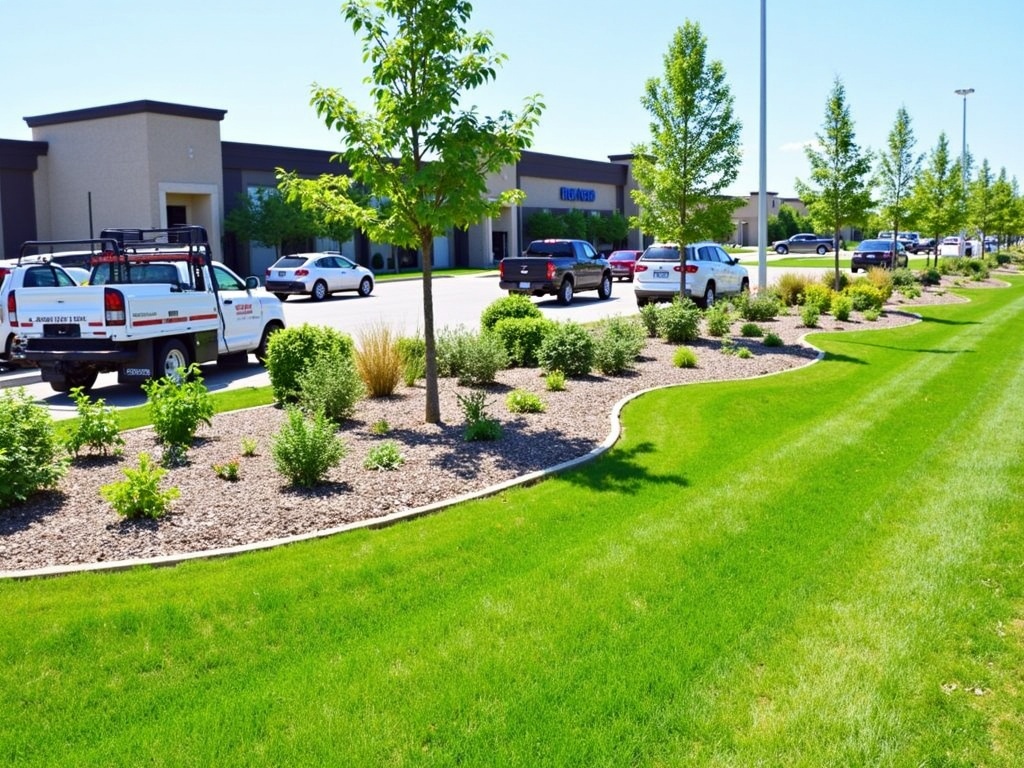
Enhancing Curb Appeal: A Guide to Garden Bed Construction in York Region, Ontario
For commercial properties across York Region, Ontario, the landscape is often the first—and most lasting—impression a client or potential tenant receives. Well-constructed garden beds are far more than simple decorative borders; they are critical components of cohesive property design, contributing significantly to curb appeal, structural integrity, and overall property value.
At Greenblock Property Services Ltd., we understand that commercial landscaping demands reliability, compliance, and meticulous planning. This detailed guide explores the best practices for professional garden bed construction, tailored specifically for the diverse needs of business and corporate sites in the York Region.
Why Professional Garden Bed Construction Matters for Commercial Sites
A poorly constructed garden bed can lead to drainage issues, root decay, structural instability, and aesthetic inconsistency. Conversely, professionally engineered beds enhance the usability and longevity of your property.
Key Considerations for Commercial Excellence:
- Drainage Management: York Region’s varying soil types and drainage needs require beds that are correctly graded to prevent water pooling, which can damage underlying foundations or pathways.
- Regulatory Compliance: Understanding local municipal bylaws regarding setback distances, plant species, and visible infrastructure is crucial to ensure your property remains compliant and minimize liability risks.
- Structural Longevity: Commercial beds must withstand high foot traffic, heavy equipment, and seasonal extreme weather cycles. The structure must be built to last, not just look good initially.
Phase 1: The Planning and Design Blueprint
Before a single shovel hits the ground, detailed planning is non-negotiable. This phase transforms an idea into a blueprint for durable, compliant construction.
- Site Assessment: A professional assessment examines the existing topography, utility lines, sun exposure, and drainage patterns. This prevents costly mid-project discoveries.
- Functionality First: Consider the purpose of the bed. Is it primarily decorative? Does it need to accommodate utility access or drainage pipes? The design must serve the function first.
- Material Selection: The choice of edging and retaining material (stone, treated timber, Corten steel, concrete) must align with the property’s architectural style and local aesthetic requirements.
Phase 2: Mastering the Construction Process
Proper construction involves building a robust framework that supports both the soil and the living elements.
1. Foundation and Grading
The base must be stable. We ensure the area is properly graded to maintain a slight slope away from buildings, directing runoff toward appropriate drainage systems. The retaining structure is installed first, establishing the boundaries and containing the soil.
2. Selecting the Right Retaining Material
The choice of material dictates the bed’s lifespan and maintenance needs:
- Modular Concrete/Stone: Excellent for high-traffic areas and maximum durability, offering a polished, permanent look suitable for corporate campuses.
- Treated Timber: A cost-effective and versatile option, ideal for achieving a natural, warm aesthetic, provided the species is suitable for ground contact.
- Gabion Wire: Highly durable and excellent for challenging, sloping terrains, offering a rustic yet highly structural appearance.
3. Drainage Layers and Fill
Do not simply backfill the bed with topsoil. A professional build requires multiple layers:
- Weed Barrier: Installed at the bottom to prevent invasive roots from compromising the structure.
- Drainage Gravel: A layer of permeable gravel is placed beneath the soil line to ensure excess water drains freely, preventing the bed from becoming waterlogged.
- High-Quality Soil Mix: A formulated blend of compost and topsoil is used to provide optimal nutrient delivery and root growth capacity.
Phase 3: Complementary Elements and Long-Term Care
The final touches elevate a mere planting area into a landscaped feature.
- Edging: Edging is critical. It provides clean definition, prevents soil erosion from the boundaries, and helps keep mulch and groundcover neatly contained.
- Irrigation Integration: Professional beds are designed with irrigation in mind. Proper drip line placement ensures targeted, efficient watering, minimizing water waste and nourishing roots deeply.
- Planting Palettes: Selecting native or regionally appropriate flora not only enhances biodiversity but also ensures the plant life can thrive in the specific microclimate of York Region.
Partnering for Professional Property Enhancement
Garden bed construction in York Region, Ontario, is a highly specialized discipline that requires expertise in civil engineering principles, horticultural knowledge, and strict adherence to local codes.
While the beauty of a garden bed is undeniable, the underlying success depends entirely on the structural work. At Greenblock Property Services Ltd., we specialize in managing the entire lifecycle of your commercial landscape—from initial assessment and custom construction planning to expert, preventive maintenance.
Don’t treat your landscape as an afterthought. Invest in foundational elements that enhance your property’s value, ensure operational compliance, and make a powerful statement about your commitment to excellence.
Need a comprehensive evaluation or robust construction plan for your York Region commercial property?
Connect with the experts at Greenblock Property Services Ltd. We provide customized maintenance plans, 24/7 emergency services, and guaranteed structural integrity for your commercial grounds.
📞 Call Us Today: 905-202-5743
📧 Email: sal@greenblock.ca
🌐 Learn More: www.greenblock.ca


